I'll be honest with you: I used to roll my eyes at climate lawsuits. I figured they were performative theater for NGOs with too much grant money and not enough wins. Then I started actually reading the rulings. Now I think climate litigation might be the single most underrated force in climate policy right now—and if you own property, run a business, or hold a pension, it's already touching your life whether you've noticed or not.
Here's the thing most people miss: these aren't just lawsuits. They're a slow-motion rewrite of who pays for climate damage. And the bill is being drafted right now.
The Case That Broke the Dam (and Why Lawyers Are Giddy)
For decades, climate cases died in courtrooms for one boring reason: causation. How do you prove that this oil company's emissions caused that specific flood? Courts hated it. Judges threw it out. Case closed.
Then came the rulings that changed the math. In 2021, a Dutch court ordered Shell to slash its emissions—a decision later overturned on appeal, sure, but the template was set. In 2023, a Montana judge ruled that the state's permitting of fossil fuel projects violated young people's constitutional right to a clean environment. In 2024, the European Court of Human Rights sided with a group of older Swiss women who argued their government's climate inaction endangered their health. None of these are symbolic. They're precedent with teeth.
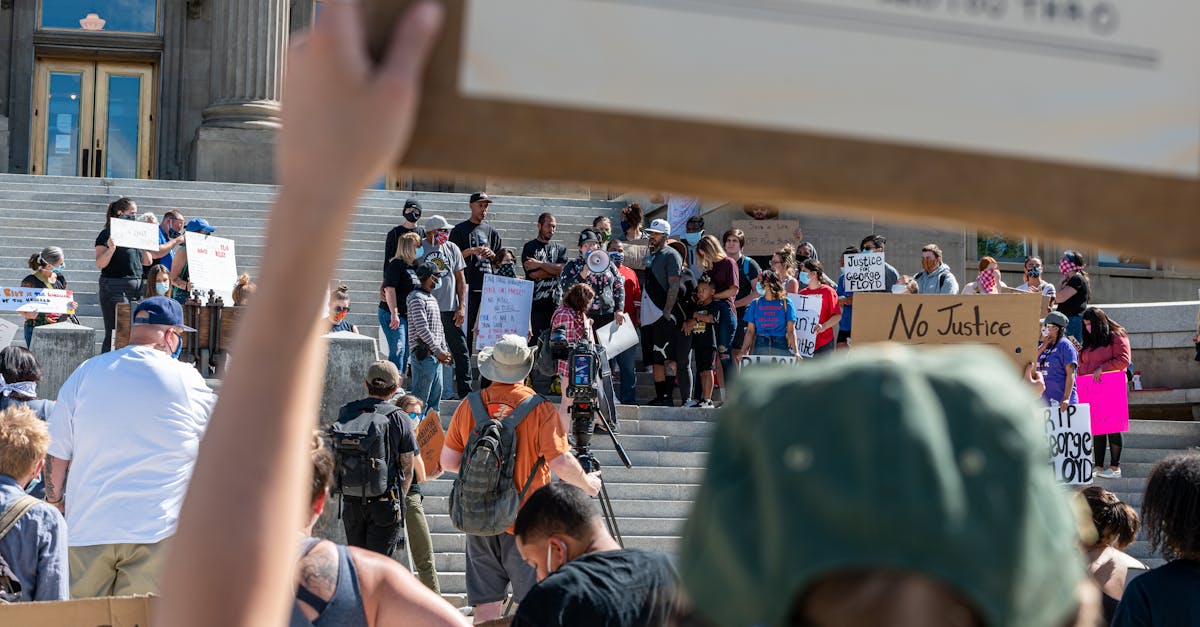
And the volume? The Sabin Center for Climate Change Law tracks these cases, and the global count has blown past 2,600—more than doubling in under a decade. That's not a fringe movement. That's an industry.
The Science Is Finally Courtroom-Ready
I've found that the real story here isn't legal—it's scientific. Climate attribution science has gotten scary precise. Researchers can now say with confidence things like "this heatwave was 40% more likely because of human-caused warming" or "this flood's severity was amplified by X percent." Ten years ago, that sentence would've been laughed out of a deposition. Today, it's evidence.
Attribution science is the skeleton key that unlocks the courthouse door. Once you can quantify contribution, you can argue liability. Once you can argue liability, you can argue damages. And once you can argue damages, you're talking about money—real, balance-sheet money.
That's the part that should make boardrooms nervous.
Who's Actually Getting Sued (Spoiler: Not Just Big Oil)
Let's be honest—the headlines focus on Exxon and Shell, but the defendant list has quietly expanded into something much broader. Here's who's getting dragged into court:
- Governments at every level—national, state, even municipal—for permitting decisions and insufficient climate plans
- Financial institutions, accused of financing fossil expansion while knowing the risks
- Insurance companies, for underpricing climate risk and shifting the burden
- Agricultural and food giants, over methane and land-use emissions
- Corporations of all stripes facing shareholder suits for failing to disclose climate risk
See the pattern? This isn't a niche legal sport anymore. It's an accountability sweep. And the through-line in nearly every case is the same: you knew, you had the science, and you kept going.

What This Actually Means for You
Okay, Hamza, but I'm not a fossil fuel CEO—why should I care? Fair question. Here's where it gets personal.
Your pension and investments are exposed. If your retirement fund holds energy stocks, climate litigation risk is now a real line item. Funds that ignore it are quietly accumulating liability. I've watched institutional investors start asking questions they weren't asking five years ago—and that's litigation fear doing what shareholder activism couldn't.
Your insurance premiums are already reacting. Insurers aren't waiting for verdicts. They're repricing climate risk now—pulling out of fire zones, hiking premiums, tightening coverage. When courts establish that someone must pay for climate damage, that cost gets socialized somewhere. Usually to policyholders.
Your property rights are in play. If you own coastal property or live in a floodplain, litigation is shaping how municipalities zone, permit, and insure. The lawsuits filed today become the building codes of tomorrow.
And your tax dollars? Public entities are both plaintiffs and defendants. When a city sues an oil company, taxpayers fund the fight. When a state loses, taxpayers pay the judgment. Either way, you're in it.
The Counterargument (Because Let's Be Fair)
Not everyone's thrilled. Critics argue these suits are judicial overreach—that courts shouldn't be setting climate policy that legislatures won't. There's a real separation-of-powers concern buried in there, and I don't dismiss it entirely. Some cases are opportunistic. Some damages claims are wildly speculative.
But here's my read: the courts aren't inventing new law—they're applying old principles to new facts. Negligence, nuisance, disclosure obligations. That's bedrock stuff. If a company knew its product caused harm and misled the public about it, we have a word for that, and it isn't "activism."
The Wave Isn't Coming—It's Here
If you take one thing from this, let it be this: climate litigation has moved from protest to procedure. The science is admissible, the precedents are accumulating, and the money at stake is enormous. The next decade of climate policy will be written as much in courtrooms as in parliaments—and that changes the risk calculus for everyone from Fortune 500 boards to first-time homebuyers.
So do the boring thing: check whether your pension fund discloses climate litigation risk. Ask your insurer what climate exposure they're pricing in. Read the next big ruling—they're getting more interesting than most thrillers.
Because here's the uncomfortable truth: whether you're paying attention or not, the gavel's already falling. The only question is whether you find out what it means for you before or after it hits your wallet.